


After more than 30 years in the markets, Manesh Patel has seen trading fashions come and go. He has watched retail traders chase shortcuts, institutions bet on automation, and an entire generation grow up believing algorithms hold all the answers. As Global Financial Analyst at Valetax, Patel is pushing back against that narrative, arguing that experience, discipline, and human judgement remain the most powerful edge any trader can develop.
We sat down with him to understand what still drives him, what worries him most about today’s trading culture, and why he believes Valetax is building something the industry genuinely needs.
After 30 years in the markets, what keeps you passionate about trading and market analysis?
I love trading. It is the only profession where you wake up and every single day is different. You can never get bored because it challenges you constantly. It is you against you. You control your own destiny.
Many people in the fitness world work out to develop their physical core. Trading develops your brain core.
Beyond the intellectual challenge, trading is simply the best business you can ever start. If you open a franchise, you might invest $200,000 and spend five years trying to recover that capital while managing employees, customers, and business loans. In trading, you can potentially earn a 300% return from a single trade, in far less time and with far less overhead. The earning potential per hour is unlike almost anything else available to an ordinary person.
What concerns you most about the way traders approach markets today?
From both institutional and retail perspectives, traders are taking too many shortcuts. Experience is the key to becoming a successful trader, but too many people are trying to bypass it entirely.
Too many people rely on AI to do the work for them without even looking at the charts. How can you understand what is happening in a market if you do not know how to read a chart? That question sounds simple, but the implications are serious.
I am a successful trader today because I made many mistakes while learning. Every mistake gave me valuable knowledge. With that experience, I can now look at a chart, understand what has happened, and forecast what could happen based on history and pattern recognition.
If traders are not over-relying on automation, they are often drowning in content. Marketing has flooded the internet with articles, strategies, and opinions, and traders spend so much time reading that they stop trading altogether. The best experience comes from placing trades and learning from the outcomes. Ask yourself honestly: why did you lose?
What qualities continue to separate exceptional traders from the crowd in an age of AI and automation?
I came from an engineering background with programming knowledge, and I entered the institutional trading world believing computers could eventually replace traders. I left in 2010 knowing that automated trading has serious and often underappreciated limitations.
The biggest limitation is that automated systems generally average a 1:1 reward-to-risk ratio. A skilled human trader can consistently achieve 3:1 or higher. That single realisation is what made me give up my engineering career to become a full-time trader.
I always ask the same question: have you seen any AI trader consistently deliver better than a 1:1 reward-to-risk ratio? I have not. Algorithms can process data faster than any human, but they cannot course correct the way human intuition does. When outlier events occur or market conditions shift, preset programs often struggle because they lack flexibility. Human judgement is what keeps strategies grounded in reality.
What is the one lesson every trader needs to hear but often ignores?
Every retail trader goes through the same challenges regardless of background or experience level. There are two major issues that must be overcome before consistent profitability becomes possible.
The first is the fear of missing out. To achieve a 3:1 reward-to-risk ratio, traders need to enter near the beginning of a trend. Most traders do the opposite. They see others making money, feel they have missed out, and jump in too late. By that point, very little reward remains. The trade moves slightly in their favour before reversing, and they are left wondering what went wrong.
The second is accepting losses. No trading system is 100% accurate, even though every trader spends time searching for one. The key is minimising losses when they occur and ensuring that winning trades are large enough to cover those losses while keeping you profitable overall. When traders experience losses, they often become emotional, abandon their trading plans, and begin revenge trading. That cycle is one of the most destructive patterns in retail trading, and breaking it requires honest self-awareness.
What role does education play in Valetax’s mission to support traders globally?
Valetax provides genuinely cutting-edge education, but what makes it different is not the technology. It is the people behind it. The educators at Valetax are experienced traders themselves. They do not simply teach concepts from a textbook. They share real trading experience, and that distinction matters more than most people realise.
Knowledge is the most valuable asset a trader can possess. But knowledge without context is just information. To gain a real edge in the market, traders need statistics, historical patterns, and an understanding of how those patterns have played out over time.
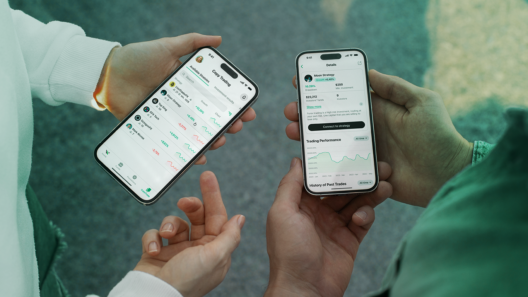
Valetax has built advanced statistical tools directly into its platform. Traders can access data showing what has historically happened before major market events like the US employment report, immediately after the release, one day later, one week later, and further out. All traders need to do is apply their own trading plan while using those statistics as confirmation. Valetax has done the research. It is available with one click.
How is Valetax positioning itself to meet the needs of the next generation of traders?
Valetax may be one of the newer names in the industry, but it is already changing the conversation about what a brokerage can and should be.
Because the team develops all key components internally, including the backend, frontend, and educational resources, they can respond to client needs quickly and effectively. Nothing is treated as impossible. That internal agility is rare in this industry, and it allows Valetax to move at a pace that more established players simply cannot match.
The result is a true one-stop environment for traders looking for a long-term home. Not just a platform to execute trades, but a place to learn, grow, and develop the kind of disciplined habits that lead to sustainable participation in the markets over time. Valetax set out to be different from the beginning, and by combining education, technology, and genuine market expertise under one roof, it is raising the standard for what the industry should look like.